New Code Sent!

Discover the basics of an induction cooktop
Induction cooking has been referred to as “the best of both worlds” since these sleek cooktops are easy to clean like smooth top or glass top electric cooktops, while also providing the precision and control of gas cooktops.
This article will introduce you to what an induction cooktop is, the benefits of using one, and how the technology works. If you’re ready to transform your kitchen, explore various induction cooktops or read this comprehensive cooktop buying guide to learn the ins and outs of purchasing each type of cooktop, including induction.


What is an induction cooktop?
An induction cooktop is a stovetop with a major difference; it uses electromagnetic energy to interact with compatible pots and pans, turning them into their own heat source. This electromagnetic energy travels through coiled copper wire underneath the cooktop’s surface to generate a magnetic current within the cookware, heating it up in the process.


How does an induction cooktop work?
After turning on an induction cooktop, a current starts to flow via a copper coil under the ceramic glass. This produces a magnetic field around it. When an induction-compatible pot or pan is placed on the cooktop, the magnetic field produces electrical currents inside the cookware, transforming it into a heat source that can cook food.
A major benefit of this type of electric cooktop is that it is capable of a rapid increase or decrease in temperature. This offers two distinct advantages:
- Food and water can come to temperature quickly
- The cooktop cools quickly once the pan is removed from the cooking surface.


What are the pros of an induction cooktop?
Three of the more notable induction cooktop benefits include:
- Responsive temperature control
- Quick cooking times
- Easy cleanup
Furthermore, these cooktops can often reduce heat loss during the cooking process since the heat is generated directly within the cookware and doesn’t have to transfer from an element to the cooktop surface.
Let’s review some of the other benefits of induction cooking.
1. Precision control
Induction cooktops heat the entire bottom surface of a pan quickly and offer fast response times to changes in temperature. This means that it usually doesn’t take long to go from a boil to a simmer.
Select induction cooktops automate parts of the cooking process, freeing you to focus on other aspects of your meal. For instance, Temp Cook™ Smart Presets on select KitchenAid® induction cooktops hold the recommended temperature for popular cooking methods and also alert you when it’s time to add an ingredient. This feature was designed to help you perfectly sear steak or salmon, gently simmer sauces, and quickly boil water. Pairing the KitchenAid® App with these cooktops lets you enjoy specialized options like stir-fry, melt, chicken cutlet, and more.1
1. Wi-Fi & App required. Features subject to change. For details and privacy info, visit KitchenAid.com/Connect (U.S.) or KitchenAid.ca/Connect (Canada).
2. Increased responsiveness
Induction cooktops remove the step of having to first heat up the element that then heats up the cookware. Instead, the electromagnetic currents heat up the pan directly, which results in quicker temperature changes and more precise cooking.
3. Flexible cooking zones
Many induction cooktops come with flexible cooking zones designed to accommodate large or oddly shaped cookware. They may also feature zones capable of cooking two dishes at different temperatures at the same time.
Select KitchenAid® induction cooktops come with the Even-Heat™ Zone that delivers versatility, allowing you to cook with large pans, like grill pans, griddles, and braising pans, or two pans at two different temperatures. Unlike traditional round bridge elements with heating gaps, these zones are rectangular, providing edge-to-edge even heating, ensuring that the pancake in the front cooks just as nicely as the one in the centre or the back.
4. Flush installation
Select induction cooktops are designed to sit flush with the countertop for a more streamlined kitchen aesthetic. For example, certain KitchenAid® induction cooktops have a Frameless Design, allowing flush installation for a sleek and seamless look, or standard installation to fit an existing cooktop cutout.

KitchenAid® POWER BOOST FUNCTION
Deliver extra heat when needed
Select KitchenAid® induction cooktops with the Power Boost Function give you the control to ramp up the heat for short periods of time, so you can create your favourite recipes faster.
5. Energy efficiency
Generally, little to no heat is lost between the cooktop surface and the food you’re cooking on an induction cooktop. This is because electromagnetic energy heats cookware directly.
6. Cooler cooktop surface
Induction cooktops maintain a relatively cool area around the pan. The surface also cools down quickly after you remove the cookware from the stovetop.
7. Easy cleanup
Since an induction cooktop’s surface doesn’t produce heat, it stays relatively cool compared to a radiant electric cooktop. If pasta water spills or a cream sauce splatters, the cooler surface can help reduce the likelihood of baked-on, charred spills or burnt-on grease stains. Some heat can still transfer from the cookware to the cooktop surface, so make sure to let the cooktop cool completely before wiping away messes. Follow the steps for cleaning an induction cooktop in this guide to help keep your cooktop looking and performing at its best.
Shop KitchenAid® induction cooktops with WipeClean™ Coating
KitchenAid® induction cooktops featuring the WipeClean™ Coating eliminate scraping, intense scrubbing, and harsh cleaners, making this the easiest induction cooktop coating to clean.2 Simply use water to wet the surface and wait five minutes before easily wiping up messes, spills, and splatters.
2. When compared with a cooktop with the same heating technology at similar power output.


Are there any cons to induction cooking?
Just because there are several benefits to cooking on an induction cooktop doesn’t mean it’s the right choice for everyone. There are a few considerations to make with induction cooking, including:
- The need for compatible cookware
- Getting used to a new style of cooking
- These cooktops make some unfamiliar sounds
1. You may need to replace your cookware
Since the electromagnetic waves must interact with specific types of metal to heat up, you can only use specific types of cookware, including:
- Cast iron
- Steel
- Pots and pans that explicitly state they are induction-ready
There’s a simple test you can perform to confirm if your cookware is compatible with induction cooking. Use these steps to test any piece of cookware for induction compatibility:
- Turn over your pan
- Place a magnet on the bottom of the pan
If it sticks, then the pan is ferromagnetic and is most likely safe for induction cooking.
2. Learning curve
Everyone new to induction cooking technology needs a little time to master its nuances. The learning curve comes from induction cooktops being highly responsive and able to heat up or cool down quickly.
3. Unfamiliar sounds
You may notice a buzzing or humming sound coming from your cooktop when using it on a higher setting, as well as the sound of the fan that cools the electronics. To help reduce noise, you can use heavy, flat-bottomed pans.


Induction cooktop vs. electric cooktop
One similarity between electric and induction cooktops is their sleek, smooth surfaces that are easy to clean. However, electric cooktops operate a bit differently from their induction counterparts. Radiant electric cooktops employ infrared energy to heat an element, which in turn heats the pan, whereas induction heats the pan directly. Unlike induction cooktops, electric cooktops need more time to cool. Additionally, KitchenAid® electric cooktops come with either 2-burner or 5-burners.
When deciding whether an electric or induction cooktopconsider the following
Induction cooktops heat pans quickly, which can alter your natural cooking rhythm. The trick is getting everything prepped before you activate a heating zone. Explore more about the benefits and “how-tos” of mise en place cooking.
Induction cooktops often produce operational sounds dissimilar from other cooktops, including:
A low humming noise when cooking at high power.
A crackling sound when using cookware that consists of different materials not compatible with induction.
A fan noise that often comes from a temperature control feature.
Induction Cooktop care
To clean an induction cooktop, use soap, water, and a sponge or soft cloth. To avoid damage, never use these products:
- Bleach
- Abrasive cleansers
- Steel wool
- Rust removers
It’s recommended to always wipe with a clean, wet cloth or sponge and dry thoroughly to help avoid staining or streaking. It’s also recommended to use a cooktop cleaner to cut through tough, stubborn residues and for a streak-free, polished shine, while a cooktop scraper, such as this one from Kitchenaid brand, can help to remove stubborn spills.


Induction cooktops vs. gas cooktops
Gas cooktops have developed a loyal following because of their responsiveness. Some things to note are that their heat source is natural gas or a propane flame, and the flame ignites once the burner is activated and starts heating the cookware, which in turn heats your food.
When determining whether a gas or induction cooktop is right for your kitchen, consider the following:
Since induction cooktops deliver similar results, they are considered a good alternative to a gas cooktop for those who don’t have an existing gas hookup. Learn more about how to install a cooktop.
The quick-to-cool cooking surface makes induction cooktops easier to clean compared to many gas cooktops.
Induction cooktops provide precision, accuracy, and control similar to gas cooktops.
If you enjoy cooking with an open flame, a gas cooktop might make more sense for you.
Learn more about the different cooktops to find one that matches your style of making. Explore the full suite of induction cooktops, electric 4-burner cooktops, and gas downdraft cooktops from KitchenAid brand to find the right one for your kitchen.


Which pans do you have to use for induction cooktops?
You need to use pots and pans that are labeled as induction compatible or are made from metals like cast iron or steel. Use the magnet test outlined above to see if your cookware is compatible with an induction cooktop.
If you need to replace them, KitchenAid brand offers induction-compatible cookware.
Can you use stainless steel on induction?
Most types of stainless steel are safe to use on an induction cooktop. However, if you’re unsure if your stainless steel cookware is compatible, simply stick a magnet to the bottom of each piece of cookware. If the magnet produces a strong pull, then it is most likely safe for induction cooking.
Discover more from KitchenAid brand
-
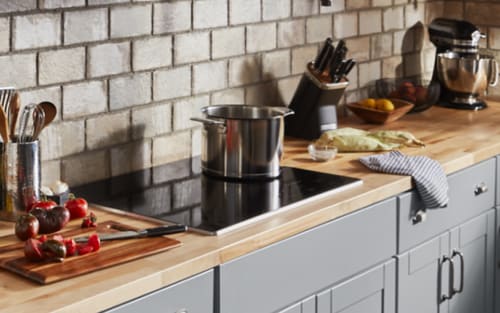 5 Steps to Clean an Induction Cooktop - Get a Spotless Cooktop Use these 5 simple steps to clean your induction cooktop. Learn why you should use affresh® glass and ceramic cooktop cleaner for stuck-on messes.
 -
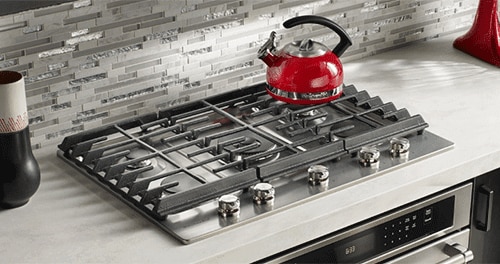 Cooktop Buying Guide -Everything to Know Shopping for a new cooktop? This cooktop buying guide will help you make an informed decision before you purchase a new cooktop. Fuel type, sizes & more.
 -
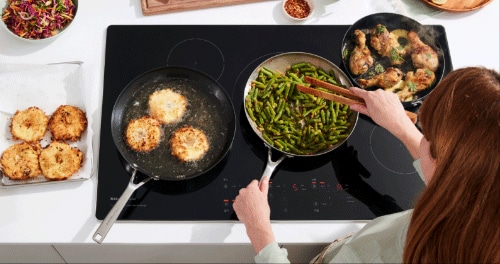 Induction vs. Electric Cooktops Learn about induction vs. electric cooktops with this guide from Whirlpool®. Explore how an induction cooktop works, compatible materials and more.