New Code Sent!

Everything to Know About Sous Vide Cooking
Sous vide, which is French for “under vacuum”, is an impressive, modern cooking technique that’s simple enough for home cooks to master to create tender, juicy steaks or mouth-watering pork tenderloin.
Keep reading to learn more about sous vide cooking, the different methods and the benefits.


What is sous vide?
Sous vide is a French cooking technique that is often found in upscale restaurants. This method involves sealing food in an airtight, vacuum-sealed bag and then gently cooking it in a hot water bath. A circulator tool is generally used to heat and circulate the water evenly, but you can also sous vide on a stovetop using a digital thermometer to monitor the water bath’s temperature.
The basic steps for sous vide cooking include:
- Seasoning your protein with salt or spices
- Placing it in a food-grade vacuum-sealed bag or freezer bag, removing as much air as possible
- Setting your time and temperature based on what you’re cooking
- Dropping your bag into heated water to cook
Sous vide benefits
Sous vide cooking offers several advantages to home cooks, including:
Highly controlled cooking
Consistent, precise results
Enhanced flavour and texture
Better moisture retention
Best foods to cook with sous vide
Sous vide is a flexible cooking technique that complements a range of foods, from lamb, pork and beef to more delicate foods, such as vegetables or eggs. It can also elevate everyday meals into elegant dishes, like lamb chops or eggs Benedict.
Other foods that typically work well for sous vide include:
Corn on the cob
Carrots
Pork shoulder
Bacon
Lobster


What is bagless sous vide?
Traditional sous vide uses a sealed bag in a water bath to cook food gently at a precise temperature. Bagless, or air sous vide, lets you recreate this method in your oven using steady low heat and airflow—no bags or water needed.
Traditional sous vide vs. bagless sous vide
Traditional sous vide relies on the combination of vacuum-sealed bags and a heated water bath. Bagless sous vide, on the other hand, achieves similar slow cooking by circulating low, consistent heat throughout your oven without the need for bags or water. Explore more ways to slow cook without a slow cooker.


Oven sous vide
Select ovens offer an Air Sous Vide mode, which replicates the conditions of traditional sous vide by using low, controlled heat and airflow to cook food gently, slowly and evenly. Always follow your owner’s manual or recipe for specific time and temperature directions for the dish you’re cooking.
Shop KitchenAid® wall ovens
KitchenAid brand has single, double and combination wall ovens with advanced features, such as assisted cooking modes, Even-Heat™ True Convection, and slow cook mode, which cooks food slowly at a low heat to create flavourful stews and curries.


Steps for cooking sous vide
Here’s everything you will need to sous vide in your own kitchen.
Supplies
Your choice of protein
Salt and/or spices
Water
Sealable plastic bags
Tools
Immersion circulator
- Large container or pot

1. Season your protein
Generously season your protein with kosher salt and any/or spices or pastes you like. Popular options include black pepper, chile powder, curry or harissa. Then, add aromatics like rosemary, thyme, bay leaves or dried chiles, pressing them firmly against the protein. Lastly, use a small amount of butter, ghee or coconut oil for richness, but be careful to avoid too much liquid, which can affect the sealing.

2. Add ingredients to the bag
Place your seasoned protein in a vacuum-sealed bag or sturdy freezer bag.

3. Prepare the water bath
Fill a large pot with enough water to ensure the food will be submerged. Place the pot on the stovetop to preheat it. Once the water is preheated, remove the pot and attach your immersion circulator, which will heat the water to the precise temperature your recipe requires and keep the water moving. Follow your circulator's manufacturer’s water level guidelines before attaching it to the pot.
Unlike traditional cooking methods, sous vide heats food to the exact temperature you want, typically between 48.9°C (120°F) and 85°C (185°F), depending on what you’re cooking.

4. Sous vide on a cooktop
For cooktop setups, adjust the burner as needed—especially when food is added—to keep the water at a steady temperature to deliver even results.

5. Sous vide cook your protein
Once your protein reaches the temperature recommended by your recipe, you should let it rest in the bag for 15-20 minutes, during which time it will absorb the seasoned juices. You can serve certain proteins—like chicken breast or salmon—straight from the bag. Others, like pork belly or steak, are often better with a final sear, grill or quick boil. To do so, remove the protein, pat it dry and then finish it over high heat for a minute or two per side.


Sous vide tips
Successful sous vide cooking is all about precision and consistency. Use these tips to grow more comfortable with this technique and start making the most of it in your own kitchen.
Use sturdy bags: While zip-top bags can work in a pinch, they aren’t always the most effective. Instead, opt for high-quality, food-safe plastic that can withstand long cook times without leaking or breaking down in hot water. Serious sous vide cooks can purchase a vacuum sealer and corresponding food-safe bags.
Leave room to cook: Don’t fill your pot to the brim with water. Ensure there’s enough space for your ingredients to move freely and stay fully submerged without causing overflow.
Monitor the temperature: Temperature control is vital to sous vide cooking. Use a reliable thermometer or immersion circulator to keep an eye on the water temperature and maintain a stable environment.
Set a timer: Track the cooking time with your phone or a kitchen timer. Precision is imperative to successful sous vide cooking, so adhere to your recipe’s recommended duration for cook times.
- Secure the bag: Prevent the bag from shifting or floating during the cooking process by clipping it to the side of the pot. A clothespin or binder clip can do the trick.
Finish with a sear: For steak, pork or other proteins, a quick post-water bath sear can help it develop a flavourful crust and more enjoyable texture. Just a minute or two on high heat is all you usually need.

KitchenAid® Double Oven Ranges
Get the most out of your making
Whether you’re cooking multiple course meals or testing new recipes, KitchenAid® double oven ranges offer flexible cooking capacity to nurture your creativity
Explore more with KitchenAid brand
-
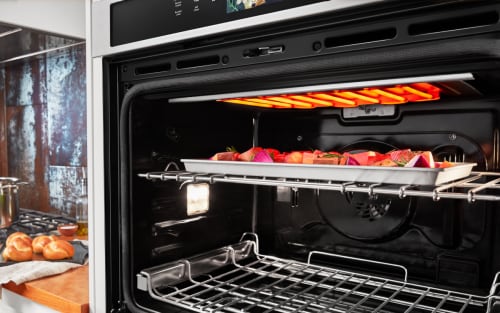 Guide to Air Frying in a Convection Oven Discover the benefits of air frying in a convection oven and how to get the most out of this method. Plus, learn convection oven air fryer recipes.
 -
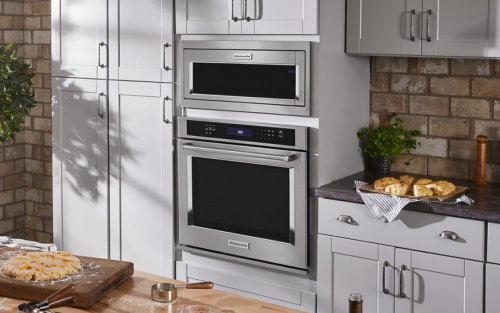 Understanding Ovens: How Different Types Cook Your Food Explore oven types, their cooking mechanisms, and settings to enhance your culinary skills and achieve delicious results in the kitchen.
 -
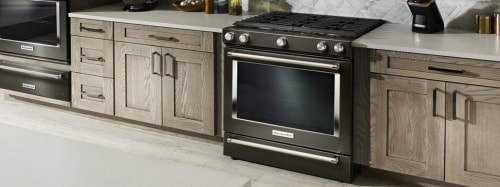 4 Simple Steps to Effectively Clean Your Self-Cleaning Oven Explore our guide to using your self-cleaning oven, including tips, FAQs, and step-by-step instructions.
 -
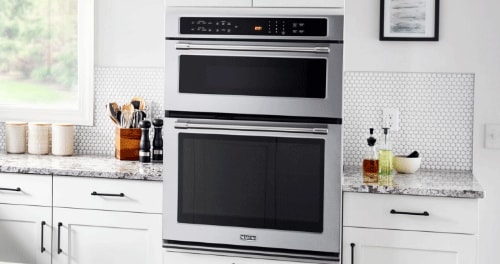 Wall Oven Sizes & Measurement Guide Wall ovens come in a few different sizes and it's important to know which sizes are compatible with your kitchen before you buy.
 -
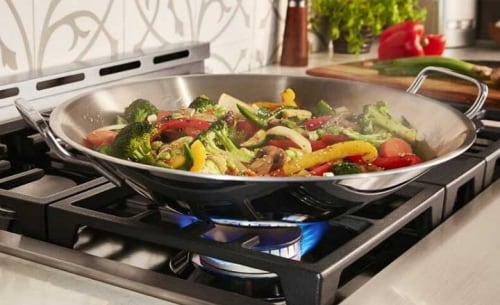 Shopping for a Range? Learn About Ranges, Stoves & Ovens This buying guide will teach you all you need to know about ranges, ovens & stoves. Learn about fuel type, features & more to find the right match for you.
 -
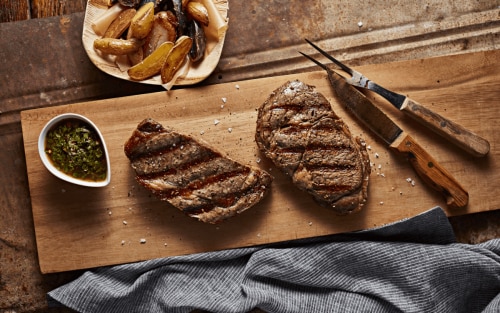 How to Grill in Your Oven Discover the tricks to grilling in the oven, including how to grill meat and vegetables. Explore tips for using an oven as a grill and try these oven grill recipes.